Planning your film
How to plan an affordable video production
An affordable film starts with the right production method for the story. Ayni Studios offers editing from existing footage, filming kits, audio-led animation, and local filmmaker collaborations so you can discuss alternatives to a full travelling crew.
By Noah Beilin, Ayni Studios · Updated September 13, 2026
What does “affordable” mean for your project?
A useful quote connects your budget to a specific result: the audience, story, filming or source material, finished versions, and review process. A short film with several locations and original animation can require more work than a longer interview-led edit. Runtime alone is not a reliable basis for comparison.
Ayni scopes projects individually. Share your budget range early so we can discuss what is realistic and where the money will make the most difference. We do not publish a universal starting price or a guaranteed saving because the material and production requirements vary.
Four ways to reduce the production footprint
If you already have footage, an edit-led production may remove the need for a new shoot. Send a representative sample first: missing story coverage, poor audio, or extensive archive sorting can change the scope.
If new material is needed, a filming kit can let your team or contributors record it without a travelling crew. We agree capture requirements and kit logistics. Where the story needs experienced on-location filming, working with local filmmakers can reduce long-distance travel and add knowledge of the community.
If you have a recorded interview, memory, or narration, we can build an animated narrative around it. That can remove location filming from the plan, although the animation style, duration, and complexity still affect cost and timing.
What actually affects turnaround?
Having accessible, organized material and a clear brief can let editorial work begin sooner. Travel, kit shipping, contributor availability, animation development, missing footage, and delayed feedback can all affect the schedule. The fastest suitable approach is the one that removes unnecessary dependencies from your particular project.
Agree one person to consolidate feedback, identify the other necessary reviewers, and set review dates before production. For an NGO programme or conference film, include partner approval and screening specifications in the schedule. A deadline should cover those steps as well as the edit.
How can you improve quality and make more from the material?
Plan the story before collecting material. Consistent interview prompts and capture requirements can make contributions from different people easier to edit together. Local filmmakers can bring context that an outside crew would need time to learn.
Identify the main film and any shorter edits or channel versions in the original brief. A planned set of deliverables can use the same source material efficiently, but each version still needs a purpose, editorial work, and review. More files are useful only when they help reach the intended audience.
An example from Ayni’s portfolio
For the BCRN programme film, Ayni gathered, curated, and edited footage from multiple countries into one narrative. That film was showcased at COP30 and the IUCN World Conservation Congress 2025. It demonstrates the storytelling possibilities of distributed source material; it is not a published cost or turnaround benchmark.
What to bring to a 15-minute conversation
Bring your intended audience, goal, budget range, deadline, and links to footage or audio you already have. Tell us where contributors are located and which versions you need. We can then discuss an appropriate route and the information needed for a scoped proposal.
See the work.
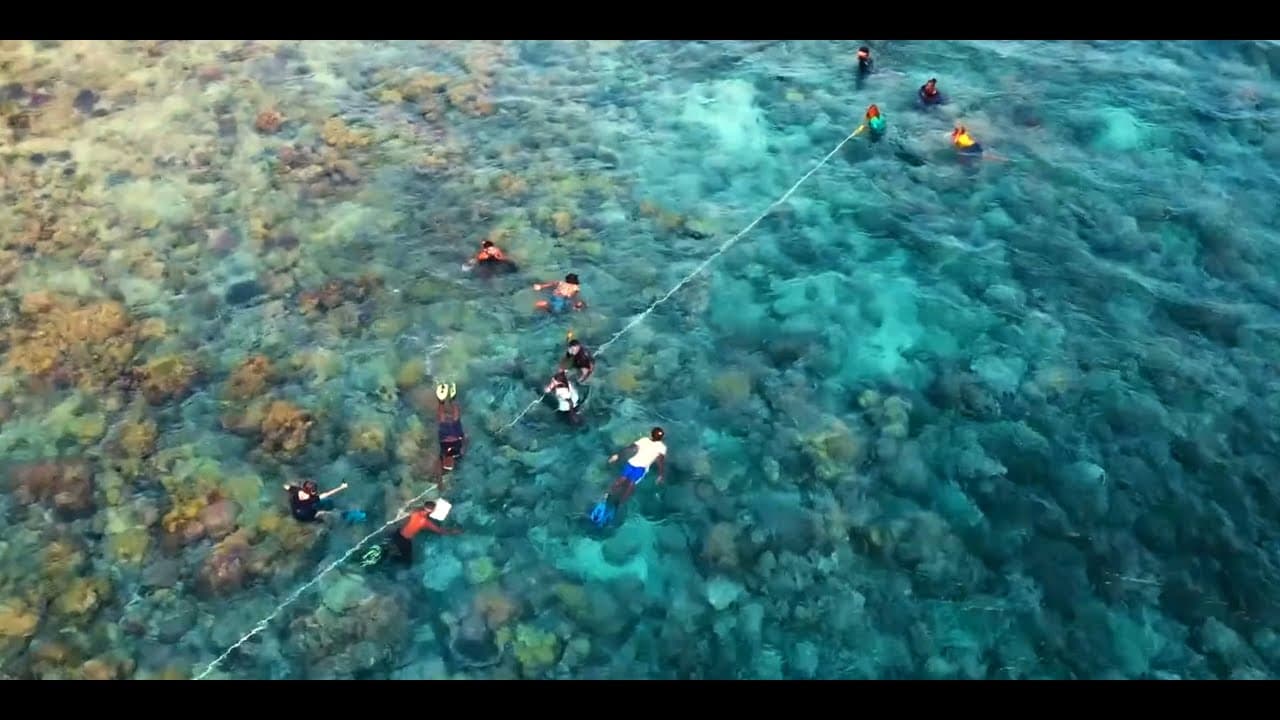
BCRN programme film
Nature as our first line of defence
Emirates Nature–WWF · WWF · IFRC
One film supporting a global initiative. Showcased at COP30 and the IUCN World Conservation Congress 2025.
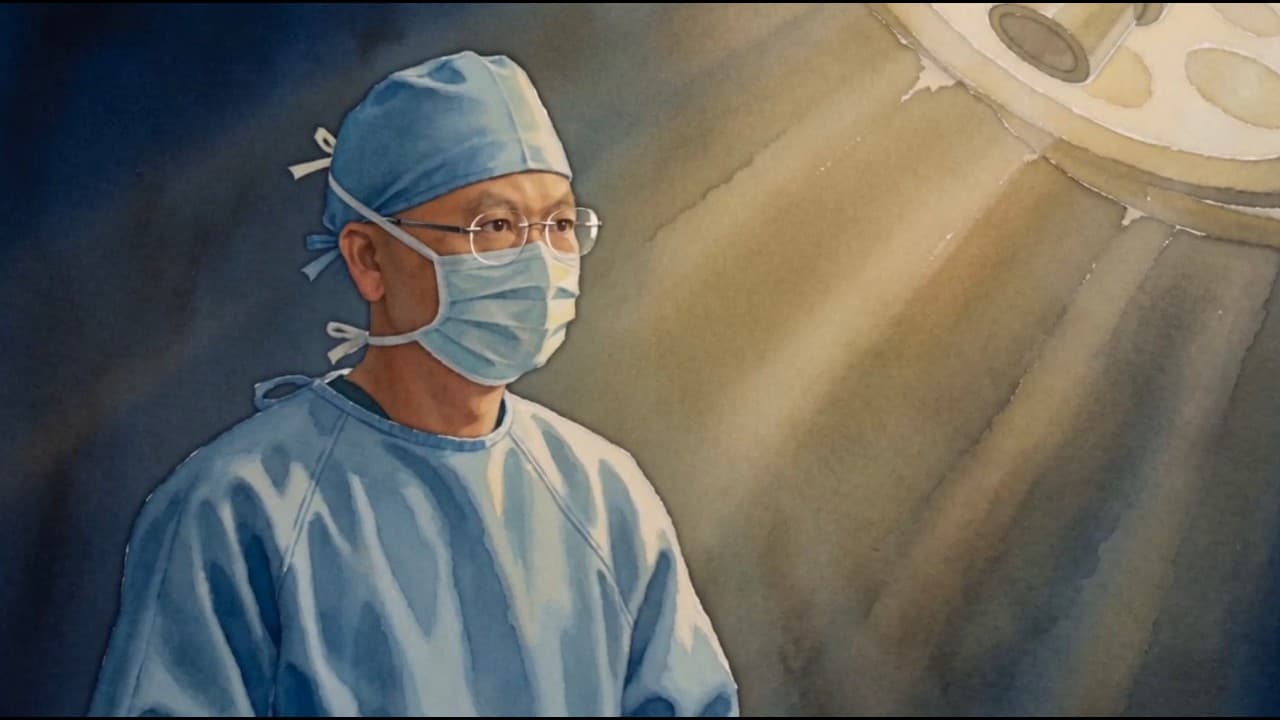
Audio-led animation · Legacy film
From narration to an animated life story
Ayni Studios
Produced by Ayni Studios, The Surgeon Who Crossed the Sea turns the surgeon’s voice narration into an animated life story, combining painted imagery and photographs.
Make something meaningful
What story do you want to tell?
Book a 15-minute conversation about your idea, your brief, or the footage you already have. Based in Valencia, California, working with Los Angeles and the world.